



Group 1692

Commercialization That Works

The biopharma commercialization research report

The challenge

What we heard

Based on a survey of 120 biopharma leaders and 20+ interviews with commercialization veterans, we heard that organizational challenges are testing the limits of commercialization systems in pace and complexity. This is complicated by teams that haven’t worked together before and siloed insights. Ultimately, this impacts the ability to deliver patient value.

Group 1000004250
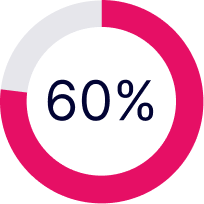
reported their entire launch team was working together for the first time.
Group 1000004249-1
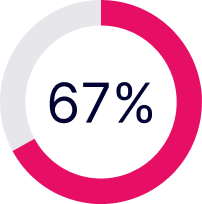
of data and analytics leaders said system integrations and data governance hindered
launch decisions.
Group
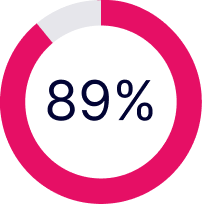
did not report patient-centric programs and support as a top-3 driver of commercialization success.
Icon

Patients engage with brands who focus on truly
hearing their needs, not just meeting the status quo.
They’re seeking human-based service, and a frictionless,
speedy experience. Remembering this helps to push the
question, What should we do versus settle for?

Marcos Mendell

Partner,
Beghou

Lack of cohesion impacting four operational dimensions

Cohesion — or rather, its absence — bubbled to the surface as the most important takeaway. Commercialization teams are doing the right activities, but they’re not doing them together.

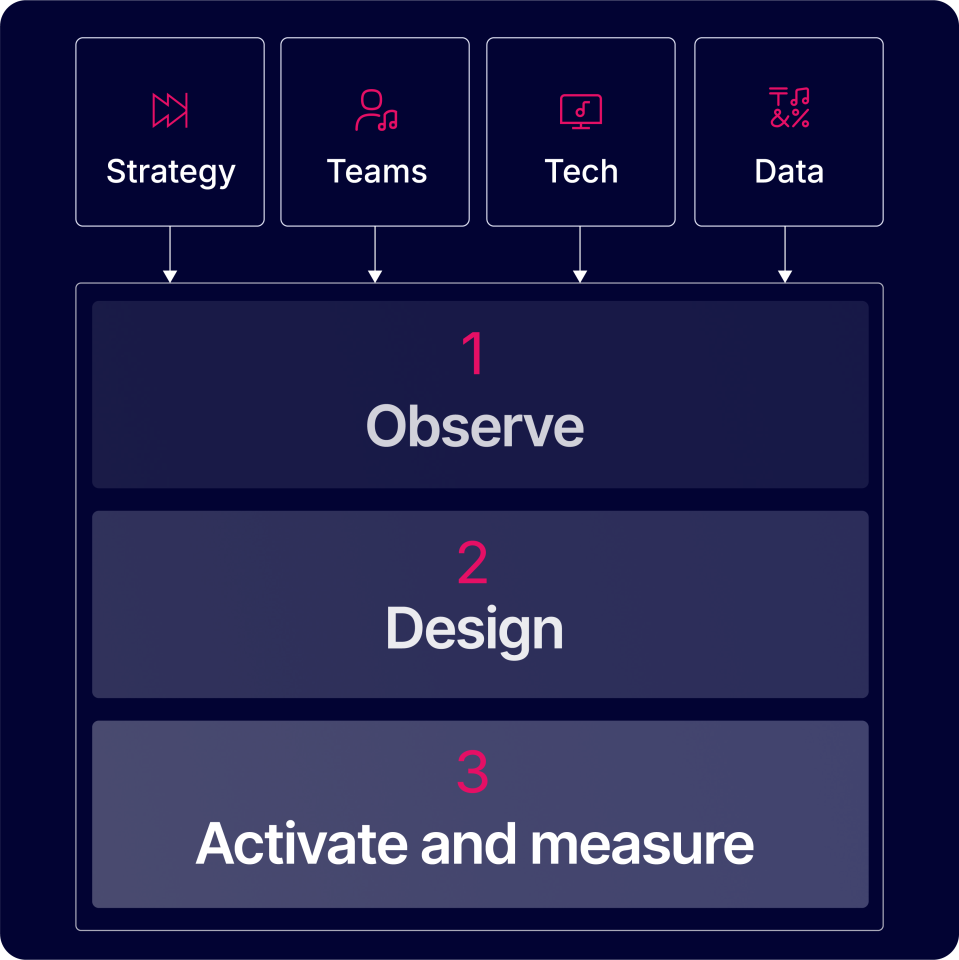
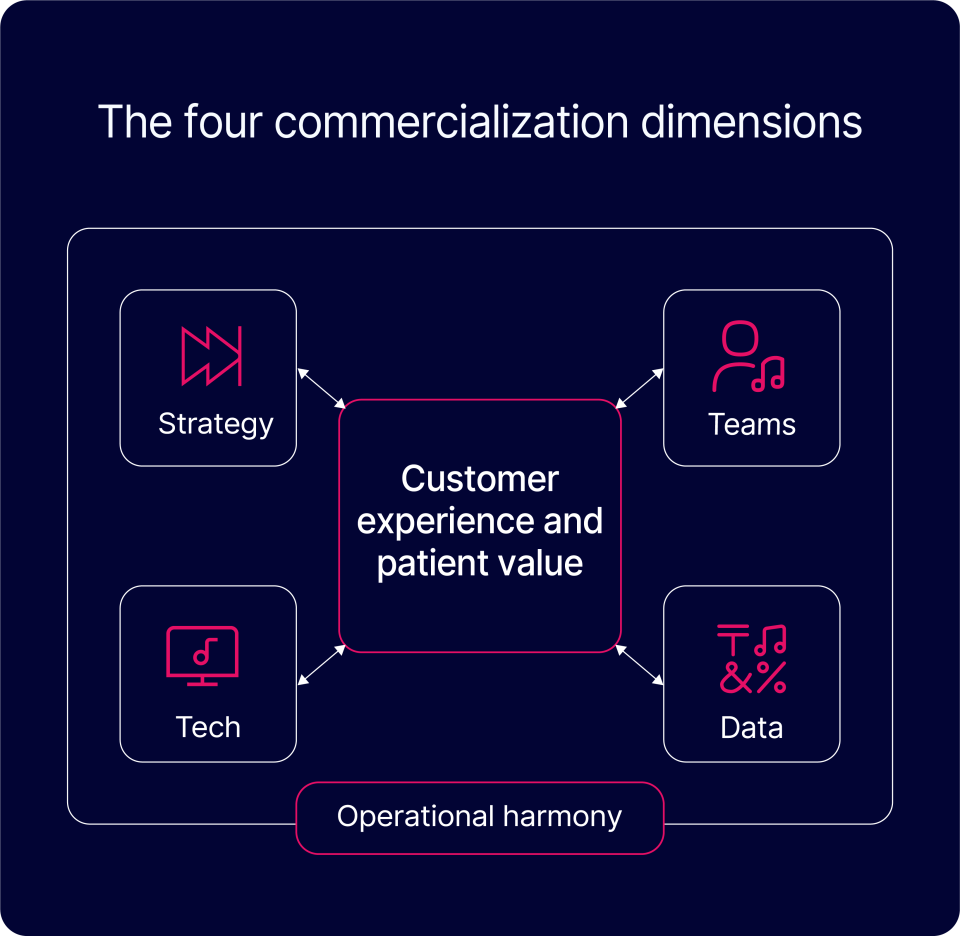
This issue cuts across four interconnected, operational dimensions: strategy, teams, tech, and data.

Where teams struggle 

See what our survey respondents told us about their challenges in each of the dimensions. 

Priorities are not consistently calibrated toward the North Star.

#2
factor leading to blind spots among HCP and patient marketers: misunderstanding the patient journey.
80 (1)
of marketers told us they leverage patient journeys to identify moments for intervention and support.
Group 1000004217
of data and analytics leaders see non-traditional, real-world data (i.e., EHR/EMR, patient-reported outcomes, or wearable data) as a necessary pre-launch investment.
Operational impact:The commercialization functions orient around “the patient” differently, resulting in a varying patient value strategy rather than a common, unified one.

Teams break when experience doesn’t equal readiness. 

60
reported being on a launch team working together for the first time.
59
reported not being highly confident in their planning horizon for launch.
Operational impact: Strong individual experience but a weak shared rhythm can result in foundational elements still forming after launch.

Sprawling systems generate silos.

67
of data and analytics respondents said system integrations and data governance hindered launch decisions.
50
considered advanced analytics, including predictive modeling, a critical investment priority over the next 12-18 months.
Operational impact: Fragmented systems impede the “one version of the truth” required for speed. Diverting resources to emerging tools before establishing foundational data hygiene, workflows, and governance can result in friction.

Blind spots occur, leading to questions like, “Is what matters being seen?”

77-1
of data and analytics execs reported limited platform interoperability as a key trade-off for data decisions.
67
of data and analytics execs considered data excellence the most critical area for improvement in the next 12-18 months.
Operational impact: Insights often fail to reach decision-makers in time to influence action, and teams might be “blind” for weeks post-launch because dashboards or patient-finding tools are not ready at day one.

The way forward

Becoming a smooth jazz ensemble

Moving from fragmentation to operational harmony

When teams move at different tempos, even strong strategies can't keep up with changing real-world conditions and translate into patient impact. Leaders repeatedly described launches that underperformed not because of flawed science but because the organization couldn't operate as a synchronized system.

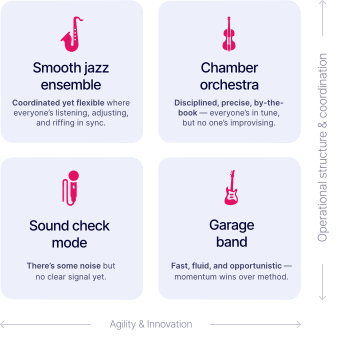
We see these challenges reflected in how organizations viewed themselves within our musical archetype matrix.

Which ensemble does your organization resemble today?

Select the closest fit to see one signal from the research and a practical next move.

Chamber orchestra

Disciplined, precise, by-the-book — everyone’s in tune, but no one’s improvising.

Smooth jazz ensemble

Coordinated yet flexible — everyone’s listening, adjusting, and riffing in sync.

Sound check mode

There’s some noise but no clear signal yet.

Garage band

Fast, fluid, and opportunistic — momentum wins over method.

Agility & innovation
Operational structure & coordination

2 x 2 Grid
ARCHETYPES

Chamber orchestra

Disciplined, precise, by-the-book — everyone’s in tune, but no one’s improvising.

Research signal:

Launch readiness appears strong on paper, but adaptability is low, signaled by heavy reliance on fixed plans, limited scenario testing, and slow decision-making when early market signals contradict assumptions.


Next move:

Loosen the constraints, build agility, empower cross-functional collaboration, and consider scenario-planning to introduce flexibility without losing discipline.

“We did everything by the book, and while our planning was excellent, we struggled with adapting to changing market dynamics.”
ARCHETYPES

Smooth jazz ensemble

Coordinated yet flexible — everyone’s listening, adjusting, and riffing in sync.

Research signal:

Core execution runs reliably, and early deviations trigger fast, coordinated adjustments through shared dashboards, cross-functional decision-making, and routine use of real-time signals to refine execution.


Next move:

Scale what works; invest in predictive analytics, personalization, and AI-enabled workflows; and share learnings across brands.

“We had a plan in place, but we were also able to easily pivot when we saw it wasn’t working for patients or providers.”
ARCHETYPES

Sound check mode

There’s some noise but no clear signal yet.

Research signal:

Early launch activity produces volume but not alignment, characterized by parallel workstreams starting without shared definitions, inconsistent assumptions across functions, and repeated rework because foundational decisions (targets, KPIs, ownership) were not locked.


Next move:

Establish fundamentals first, create rhythm before adding complexity, and instill (or strengthen) a sense of urgency.

“We had too many people doing too many different things. There was a lot of motion but no shared direction.”
ARCHETYPES

Garage band

Fast, fluid, and opportunistic — momentum wins over method.

Research signal:

Early confidence is driven by activity and velocity, but basic readiness checks lag, such as manual workarounds in targeting, unresolved data dependencies, incomplete system testing, or frequent “we’ll fix it post-launch” decisions.


Next move:

Introduce structure, harness the speed, and temper the noise.

“We had people and plans, but data and systems weren’t in place. It felt like we were ready, until we actually tried to execute.”

[Insert problems diagram]


Operationalizing patient experience across the four dimensions

Patient experience, speed, and operational harmony are the real differentiators in commercialization — the ability to respond to real-world conditions and turn signals into shared understanding, aligned decisions, and coordinated action.


To achieve this across the four dimensions (strategy, teams, tech, data), three intentional actions are needed:


  • Observe: continuously surface real-world signals
  • Design: build patient experiences and commercialization workflows
  • Activate and measure: track outcomes from experiences and workflows

Learn more about what your peers are experiencing

  • Why launches break when speed outpaces cohesion
  • Where strategy, teams, tech, and data fall out of sync
  • Next steps organizations can take to move toward operating like a smooth jazz ensemble
  • How organizations can treat patient experience not simply as a downstream output but as a living, breathing mission

[Insert problems diagram]


About the research

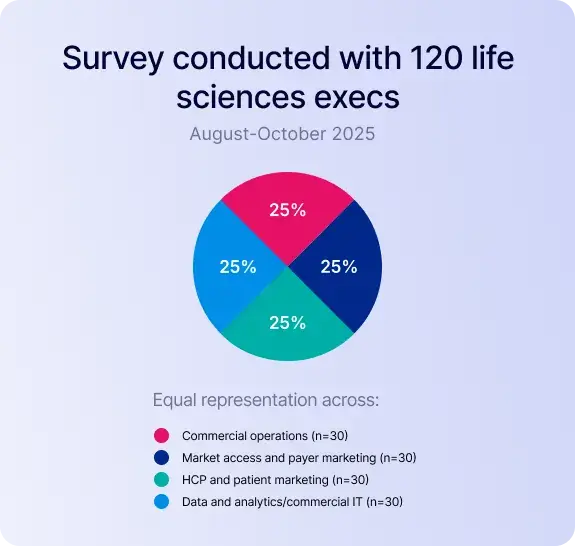
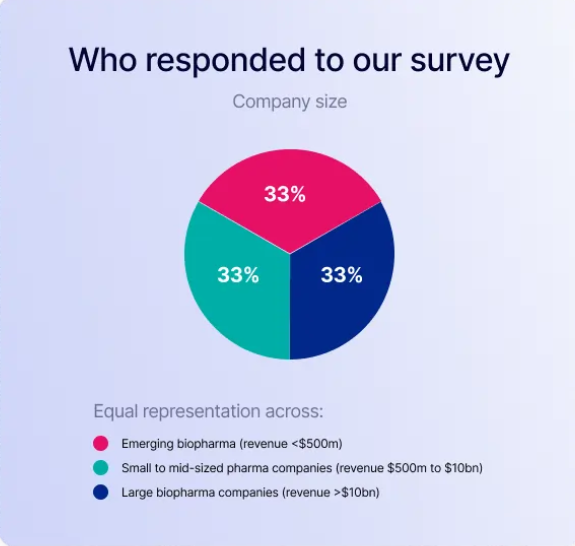
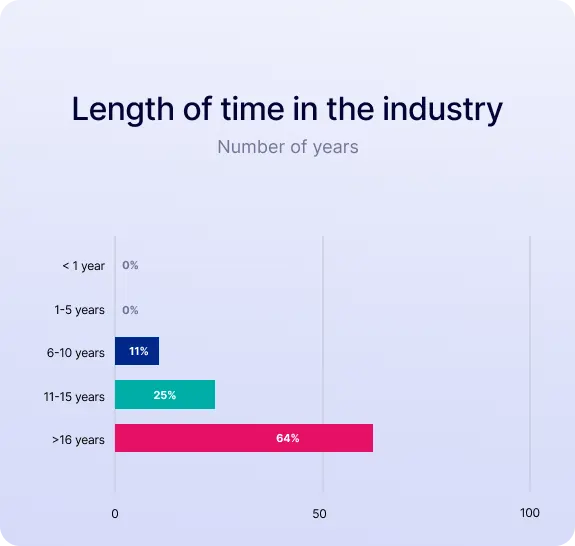
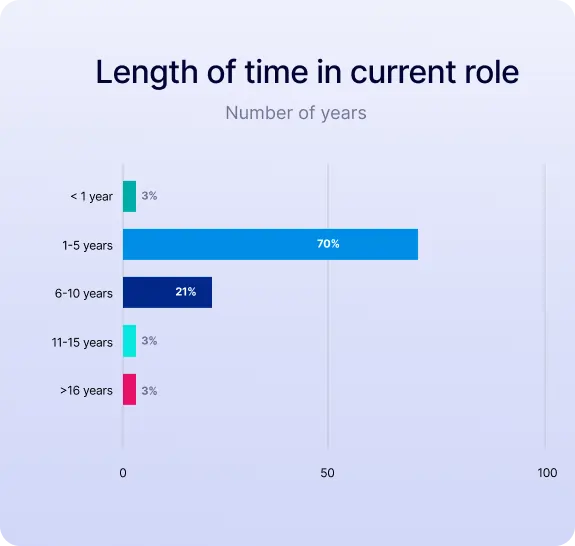
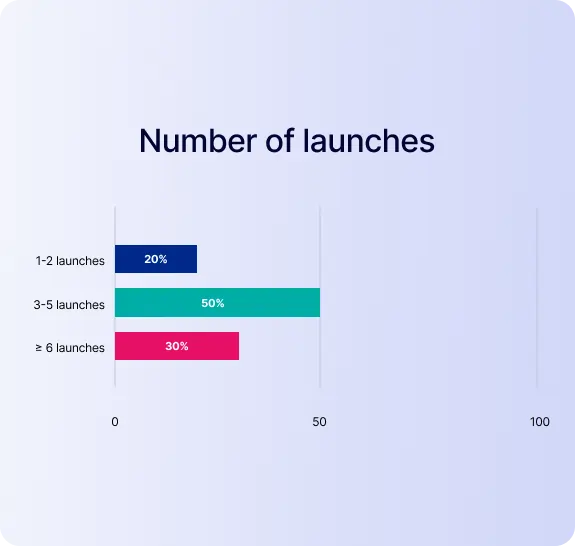
Commercialization That Works distills insights from a survey of 120 biopharma leaders and more than 20 interviews with launch veterans.  


Survey conducted with 120 life sciences execs: August-October 2025


  • Commercial operations (n=30)
  • Market access and payer marketing (n=30)
  • HCP and patient marketing (n=30)
  • Data and analytics/commercial IT (n=30)
  •  

Interviews conducted with:


  • 7 life sciences commercialization execs (May 2025)
  • 11 Beghou partners (June 2025) 
  •  

Panel discussions conducted with:


  • 8 life sciences commercialization execs across 3 events (September, October, and November 2025)